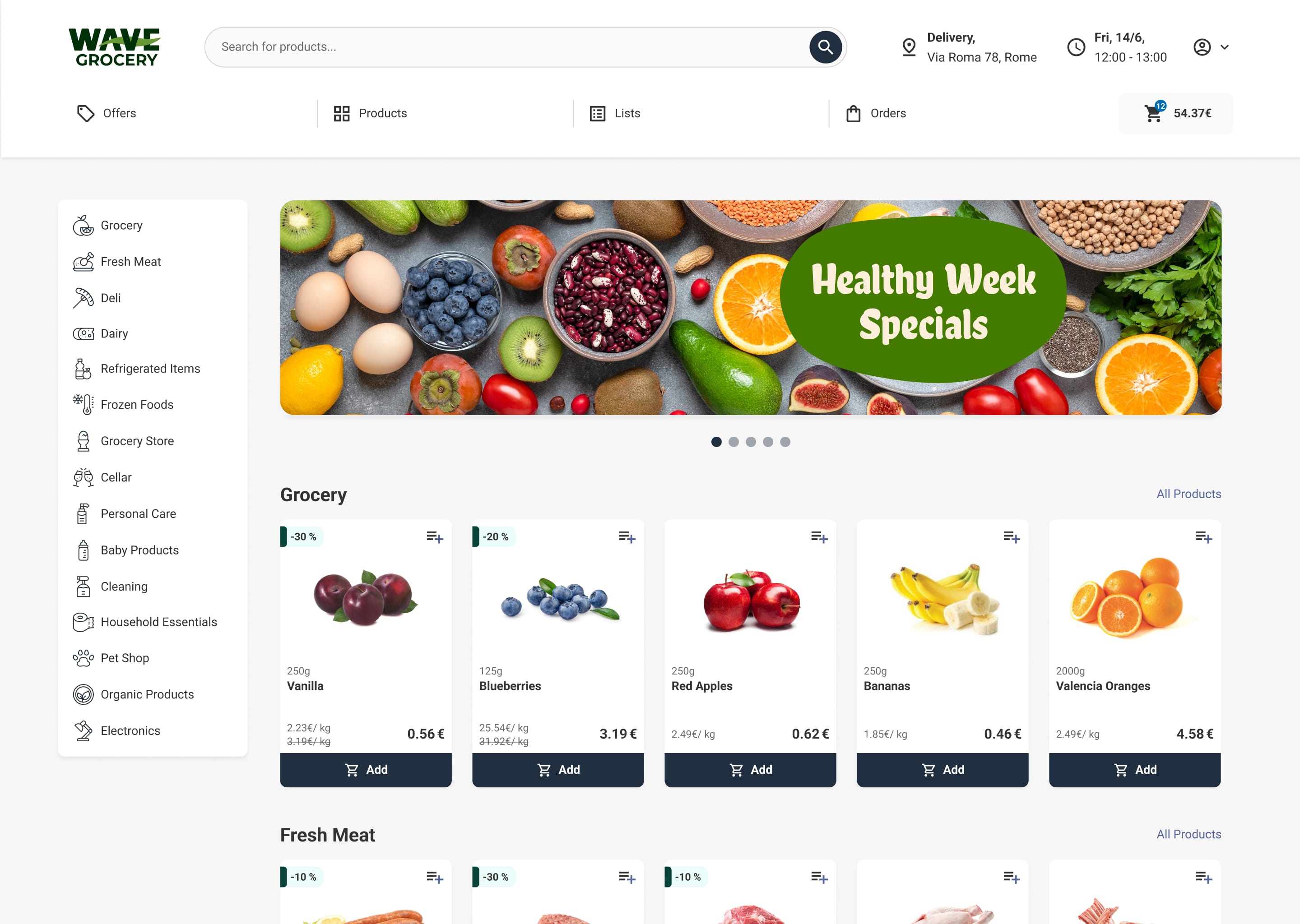
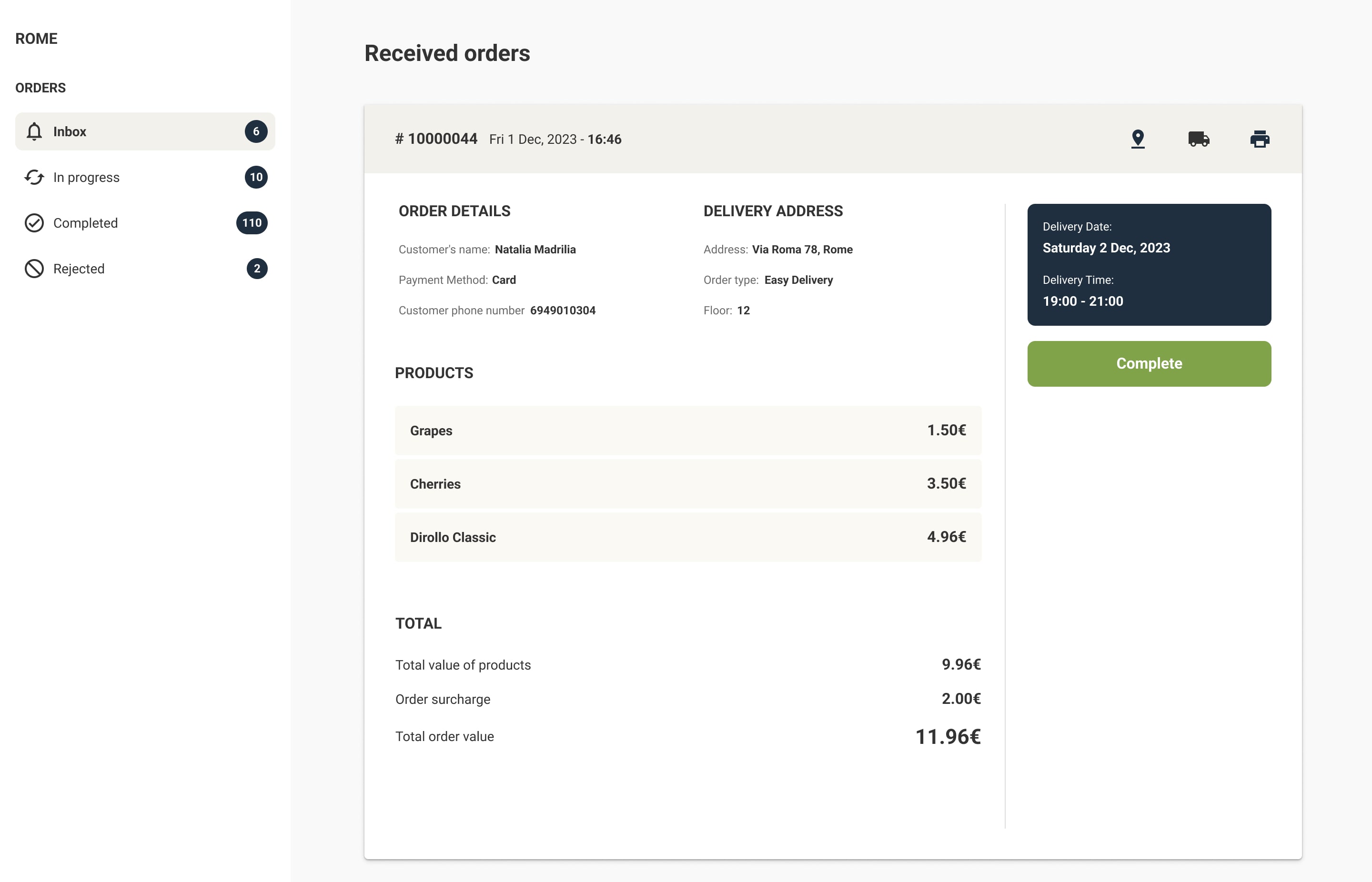
Choosing a grocery ecommerce platform is different from choosing a generic ecommerce tool. Grocery retailers need to manage high-SKU catalogs, real-time or near-real-time inventory, weighted items, substitutions, delivery slots, loyalty, mobile ordering, picker workflows, and integrations with store systems.
This guide compares the top grocery ecommerce platforms to evaluate in 2026, including grocery-specific platforms and general ecommerce platforms that can be adapted for grocery use.
If you are evaluating a grocery-specific solution, you can also review our full grocery ecommerce platform comparison page.
- Need a platform built specifically for grocery? Wave Grocery is the strongest purpose-built option to evaluate for mid-market and enterprise grocery retailers that need native mobile apps, fulfillment workflows, substitutions, weighted-item handling, delivery slots, loyalty, and integrations in one system.
- Running a smaller grocery chain? Freshop / NCR Voyix or LocalExpress may be a better fit if you need grocery-specific ecommerce with regional-grocer support and a lighter setup.
- Want same-day delivery without building logistics? Instacart Storefront gives retailers a branded ecommerce experience powered by Instacart’s fulfillment and delivery infrastructure.
- Testing grocery ecommerce quickly? Shopify can be fast to launch, but grocery-specific features usually require paid apps, integrations, or operational workarounds.
- Prioritizing customization? BigCommerce and Adobe Commerce / Magento offer flexibility for larger ecommerce teams, but grocery workflows typically need integrations or custom development.
- Already on WordPress? WooCommerce can work for small grocers with developer support, but performance, maintenance, and grocery-specific features depend heavily on plugins and setup.
For a quick side-by-side, scroll to the comparison table below.
Quick comparison: Top Grocery Ecommerce Platforms in 2026
| Platform | Best for | Target market | Pricing model | Integrations | Mobile capability | Support model | Grocery-specific |
|---|---|---|---|---|---|---|---|
| Wave Grocery | Enterprise grocery retailers | Mid-to-large supermarkets and grocery chains | Subscription / scalable pricing | ERP, POS, CRM, payments, delivery, loyalty | Native iOS and Android apps | Dedicated onboarding and support | Yes |
| Freshop / NCR Voyix | Regional grocery chains | Independent and regional grocers | Subscription / custom depending on NCR setup | POS, loyalty, weekly ads, third-party retail systems | Mobile commerce support | NCR / Freshop implementation support | Yes |
| LocalExpress | Multi-location food retailers | Regional grocers and specialty food retailers | Custom / plan-based | POS, catalog, fulfillment, delivery, marketing tools | Web, mobile, kiosk, scan-and-go capabilities | Support portal and implementation support | Yes |
| Instacart Storefront | Same-day delivery | Retailers that want Instacart-powered fulfillment | Custom / platform fees, ads, fulfillment economics | Loyalty, coupons, SNAP/EBT, Instacart ecosystem | Mobile-first Instacart infrastructure | Instacart retailer support | Yes |
| Mercatus | Omnichannel profitability | Regional and enterprise grocers | Custom pricing | Customer data, loyalty, ecommerce, fulfillment | Mobile commerce available | Enterprise support | Yes |
| Shopify | Fast launch | Small-to-mid retailers testing ecommerce | Monthly subscription + apps | Large app ecosystem | Responsive storefront, mobile app options via partners | Self-serve + partner ecosystem | No, requires apps |
| BigCommerce | Multi-storefront operations | Larger ecommerce teams with complex catalogs | Monthly / enterprise pricing | ERP, payments, B2B, marketplace, headless tools | Responsive storefront, app support via partners | Standard / enterprise support | No |
| Adobe Commerce / Magento | Deep customization | Enterprise retailers with development teams | Custom licensing + development | Highly extensible integrations | Custom mobile or PWA development | Adobe / agency / developer support | No |
| WooCommerce | WordPress-based grocers | Small retailers with developer support | Open-source + hosting/plugins/dev costs | WordPress plugin ecosystem | Responsive themes, app via plugins/custom build | Community / agency / developer support | No |
1. Wave Grocery: Best for enterprise grocery retailers
Best-for tagline: Best for supermarkets and grocery retailers that want a dedicated grocery commerce platform rather than a general ecommerce system extended with third-party apps.
2-line summary: Wave Grocery is a grocery ecommerce platform built for retailers that need online ordering and storefront, native mobile apps, fulfillment tools, delivery management, loyalty, and grocery-specific workflows in one system. It is designed for grocery operations where weighted items, substitutions, delivery slots, and store-system integrations matter.
Target market: Mid-to-large grocery retailers, supermarkets, and regional grocery chains.
Pricing model: Subscription-based, with scalable pricing depending on usage, order volume, required modules, and implementation needs.
Integrations: Supports integrations with ERP, POS, CRM, payment, loyalty, delivery, and operational systems.
Mobile capability: Native iOS and Android apps are part of the platform offering. For retailers focused on branded mobile experiences, see the white-label grocery app page.
Support model: Dedicated onboarding and support.
Pros:
- Built specifically for grocery workflows.
- Supports grocery-specific needs such as weighted items, substitutions, delivery slots, picking software for online grocery stores, fulfillment, and order management.
- Includes native mobile apps.
- Reduces dependency on multiple third-party apps.
- Suitable for retailers that want to own the customer relationship and digital experience.
- Can support connected workflows across storefront, mobile, picking, management software for online grocery business, delivery, loyalty, and integrations.
Cons:
- Not designed for non-grocery ecommerce.
- Higher starting cost than generic ecommerce builders.
- May be more platform than very small grocers need.
Pricing: Pricing depends on the package, implementation, order volume, and required modules. Use cautious wording such as “pricing depends on scale and required functionality” unless final pricing is confirmed.
Related comparison: For a broader overview, see the grocery ecommerce platform comparison.
2. Freshop / NCR Voyix: Best for regional grocery chains
Best-for tagline: Best for independent and regional grocery chains that want grocery-specific ecommerce connected to existing store systems.
2-line summary: Freshop, part of NCR Voyix, is a grocery ecommerce solution focused on digital engagement for grocery and specialty retail. It is especially relevant for grocers that need ecommerce, mobile, fulfillment, delivery, POS, loyalty, and weekly-ad workflows connected to store operations.
Target market: Independent grocers, regional grocery chains, and specialty retailers.
Pricing model: Subscription or custom pricing depending on the retailer’s NCR Voyix setup, required features, and implementation scope.
Integrations: Strong focus on POS, loyalty, digital circulars, weekly ads, and third-party retail integrations.
Mobile capability: Supports mobile commerce experiences.
Support model: Implementation and support through the Freshop / NCR Voyix ecosystem.
Pros:
- Grocery-specific ecommerce platform.
- Strong connection to POS and loyalty workflows.
- Useful for digital circulars and weekly promotions.
- Good fit for independent and regional grocers.
Cons:
- Design flexibility may be more limited than open ecommerce platforms.
- Pricing and implementation can depend on NCR ecosystem requirements.
- May require technical support during setup.
Pricing: Custom pricing — contact Freshop / NCR Voyix for details. Final pricing depends on the retailer’s NCR Voyix setup, required features, and implementation scope.
3. LocalExpress: Best for multi-location food retailers
Best-for tagline: Best for regional and multi-location grocers that need catalog, fulfillment, delivery, and multilingual commerce tools.
2-line summary: LocalExpress is an AI-powered grocery and food retail commerce platform with ecommerce, omnichannel, catalog, delivery, and fulfillment features. It is positioned for food retailers that want a white-label grocery commerce system rather than a marketplace-led model.
Target market: Regional grocers, specialty food retailers, ethnic supermarkets, and multi-location operators.
Pricing model: Plan-based or custom enterprise pricing depending on features and implementation.
Integrations: Supports food-retail operations such as catalog management, fulfillment, delivery, marketing, and third-party application connections.
Mobile capability: Supports mobile ordering and additional in-store mobile capabilities such as kiosk or scan-and-go depending on setup.
Support model: Support portal and implementation support.
Pros:
- Grocery and food-retail specific.
- Strong catalog and AI positioning.
- Useful for multi-location operations.
- Multilingual and omnichannel capabilities.
Cons:
- Public pricing is limited.
- Best fit may be regional operators rather than very small stores.
- Buyers should validate implementation requirements before committing.
Pricing: Custom or plan-based pricing — contact LocalExpress for details. Final pricing depends on the number of locations, features, integrations, and implementation requirements.
4. Instacart Storefront: Best for same-day delivery
Best-for tagline: Best for grocers that want branded ecommerce with access to Instacart’s fulfillment and delivery infrastructure.
2-line summary: Instacart Storefront gives retailers a branded grocery ecommerce experience powered by Instacart technology. It is useful for grocers that want fast delivery options, loyalty and coupon support, SNAP/EBT capabilities, and access to Instacart’s grocery infrastructure.
Target market: Grocers that want branded ecommerce while using Instacart’s fulfillment, delivery, and technology ecosystem.
Pricing model: Custom platform pricing, with economics influenced by fulfillment, retail media, ads, and marketplace-related costs.
Integrations: Loyalty, coupons, SNAP/EBT, retail media, fulfillment, and Instacart infrastructure.
Mobile capability: Mobile-first shopping experience through Instacart’s platform.
Support model: Instacart retailer support.
Pros:
- Built specifically for grocery.
- Strong same-day delivery infrastructure.
- Supports complex grocery payments and promotions.
- Can help retailers launch faster than building logistics in-house.
Cons:
- Less control than fully owned infrastructure.
- Marketplace economics can affect margins.
- Retailers should evaluate customer data ownership, delivery experience, and brand control.
Pricing: Custom pricing — contact Instacart for details. Final pricing may depend on platform fees, fulfillment setup, ads, retail media, and marketplace economics.
5. Mercatus: Best for omnichannel profitability
Best-for tagline: Best for grocers that prioritize customer data, personalization, and omnichannel profitability.
2-line summary: Mercatus provides grocery ecommerce, customer intelligence, engagement, and fulfillment tools for retailers that want to grow digital revenue while keeping control of the customer experience. Its positioning is especially strong around omnichannel shopper behavior, customer data, and margin-aware ecommerce.
Target market: Regional and enterprise grocers.
Pricing model: Custom pricing depending on retailer size, modules, and implementation.
Integrations: Customer data, loyalty, ecommerce, engagement, fulfillment, analytics, and personalization integrations.
Mobile capability: Mobile grocery commerce capabilities are available.
Support model: Enterprise implementation and support.
Pros:
- Strong customer intelligence and personalization positioning.
- Grocery-specific ecommerce focus.
- Good fit for omnichannel grocery strategies.
- Helps retailers retain more control than marketplace-only models.
Cons:
- Pricing is not publicly transparent.
- May be more complex than smaller grocers need.
- Buyers should validate implementation timeline and resource requirements.
Pricing: Custom pricing — contact Mercatus for details.
Related comparison: For a broader overview, see the Wave Grocery vs. Mercatus comparison.
6. Shopify: Best for fast market entry
Best-for tagline: Best for small grocery businesses that want to launch quickly and can use apps for grocery-specific needs.
2-line summary: Shopify is a general ecommerce platform known for ease of use, fast setup, themes, payments, and a large app ecosystem. It can work for simple grocery ecommerce, but grocery-specific features usually require third-party apps and operational workarounds.
Target market: Small and mid-sized retailers testing ecommerce or selling a limited grocery catalog.
Pricing model: Monthly subscription plus apps, payment costs, possible POS add-ons, and implementation support if needed.
Integrations: Large app marketplace, payment integrations, POS, marketing, analytics, delivery apps, and third-party tools.
Mobile capability: Mobile-optimized storefronts; native branded apps usually require third-party solutions or custom development.
Support model: Shopify support, documentation, agencies, and app partners.
Pros:
- Fast to launch.
- Easy to use.
- Large app ecosystem.
- Strong storefront design options.
Cons:
- Not grocery-specific.
- Delivery slots, substitutions, weighted items, and fulfillment workflows usually require apps or custom logic.
- App costs can add up.
- Complex grocery operations may outgrow it.
Pricing: Plans range from $39–$300+/month, plus additional costs for grocery-specific apps ($30–$100+/month each), integrations, payment setup, and operational requirements.
Related comparison: See our Wave Grocery vs Shopify comparison.
7. BigCommerce: Best for large-scale multi-storefront operations
Best-for tagline: Best for ecommerce teams that need multi-storefront, B2B, and catalog flexibility but can handle grocery customization separately.
2-line summary: BigCommerce is a scalable general ecommerce platform with strong native capabilities for B2B, multi-storefront, payments, and catalog management. It can support large catalogs, but grocery-specific workflows usually require integrations or custom development.
Target market: Mid-market and enterprise retailers with internal ecommerce or technical teams.
Pricing model: Monthly plans and custom enterprise pricing depending on scale and requirements.
Integrations: ERP, payments, B2B, marketplace, headless, and operational integrations.
Mobile capability: Responsive storefronts; native mobile apps require partners or custom development.
Support model: Standard and enterprise support, plus agency ecosystem.
Pros:
- Strong multi-storefront capabilities.
- Good catalog and B2B support.
- Broad payment and integration ecosystem.
- More native enterprise features than some SMB platforms.
Cons:
- Not built specifically for grocery.
- Requires customization for weighted items, substitutions, picker flows, and delivery slots.
- Steeper learning curve than simpler ecommerce tools.
Pricing: Plans range from $39–$399+/month, with custom enterprise pricing available. Final cost depends on scale, integrations, storefront requirements, and implementation support.
Related comparison: Dive into our Wave Grocery vs BigCommerce comparison.
8. Adobe Commerce / Magento: Best for deep customization
Best-for tagline: Best for enterprise retailers with development resources that need a highly customized ecommerce architecture.
2-line summary: Adobe Commerce, formerly Magento, is a highly extensible ecommerce platform used by complex retailers that need custom workflows, integrations, and storefront experiences. For grocery, it can be adapted, but most grocery-specific functionality requires development.
Target market: Enterprise retailers with internal development teams, agencies, or systems integrators.
Pricing model: Custom licensing plus implementation, hosting, maintenance, and development costs.
Integrations: Highly extensible through APIs, extensions, and custom development.
Mobile capability: Mobile storefronts, PWA, or custom native app development depending on implementation.
Support model: Adobe support, implementation partners, agencies, and developer teams.
Pros:
- Highly customizable.
- Strong enterprise architecture.
- Large developer ecosystem.
- Flexible for complex business models.
Cons:
- Expensive to implement and maintain.
- Requires technical resources.
- Grocery features are not native.
- Updates and customizations can add complexity.
Pricing: Custom pricing — contact Adobe for details. Total cost is typically driven by licensing, hosting, development, integrations, and ongoing maintenance.
Related comparison: Read the Wave Grocery vs Magento comparison.
9. WooCommerce: Best for WordPress-based grocers
Best-for tagline: Best for small grocers already using WordPress and working with developer support.
2-line summary: WooCommerce is an open-source ecommerce plugin for WordPress. It gives grocers control and flexibility, but grocery-specific capabilities depend on plugins, hosting quality, and ongoing maintenance.
Target market: Small retailers, local grocers, and WordPress-based businesses with developer support.
Pricing model: Open-source core plugin plus hosting, paid plugins, maintenance, security, and development costs.
Integrations: WordPress plugin ecosystem, payments, delivery plugins, inventory tools, and custom integrations.
Mobile capability: Responsive themes; native mobile apps require plugins or custom development.
Support model: Community, plugin vendors, agencies, freelancers, or internal developers.
Pros:
- Flexible and open-source.
- Strong WordPress content and SEO fit.
- Lower initial software cost.
- Large plugin ecosystem.
Cons:
- Requires maintenance.
- Plugin conflicts can create issues.
- Grocery features are not native.
- Performance depends heavily on hosting and setup.
Pricing: The core WooCommerce plugin is free, but real costs include hosting, premium plugins, maintenance, security, and developer time. Expect additional costs for grocery-specific plugins, delivery scheduling, payment setup, and ongoing support.
Related comparison: Read the Wave Grocery vs WooCommerce comparison.
How to choose the right grocery ecommerce platform
Selecting the right platform depends on your store’s size, operational complexity, and growth plans. Here’s a framework to guide your decision. For a broader look at planning your online grocery business, see our guide on crafting an online grocery strategy for ecommerce success.
1. Define your must-have features
Start with the non-negotiables. Do you need native mobile apps? Weighted-item support? Same-day delivery? POS integration? An order management system? Map your requirements before evaluating platforms.
2. Compare grocery-specific and general-purpose platforms
Grocery-specific platforms such as Wave Grocery, Freshop, LocalExpress, and Mercatus deliver specialized grocery features out of the box. General-purpose platforms such as Shopify, BigCommerce, and WooCommerce offer more flexibility, but usually require add-ons and customization for grocery operations. For a deeper look at this decision, read ecommerce platforms vs. marketplaces — making the right choice.
3. Evaluate total cost of ownership
Don’t just compare monthly subscription fees. Factor in app costs, custom development, hosting, transaction fees, implementation, and ongoing maintenance. A low-cost monthly platform can become more expensive once you add grocery-specific plugins, custom development, hosting, transaction fees, and support.
4. Test with real scenarios
During demos, bring up situations from your actual operations. What happens when a popular item goes out of stock mid-day? How does the platform handle a large fresh produce order during peak hours? How are weighted items processed at checkout?
5. Plan for growth
Choose a platform that can scale with your business. If you plan to expand to multiple locations, add delivery zones, or launch micro-fulfillment centers, make sure your platform supports these without requiring a costly migration. For more on building a scalable foundation, see four key elements of building a scalable online grocery business.
FAQs
What is a grocery ecommerce platform?
A grocery ecommerce platform is a digital solution that enables supermarkets and grocery retailers to sell food and household products online. These platforms typically include features for inventory management, order fulfillment, delivery scheduling, payment processing, and customer engagement — specifically designed for the complexities of selling perishable and weighted goods. For a full overview, read what is e-grocery?
What is the best grocery ecommerce platform in 2026?
The best grocery ecommerce platform depends on the retailer’s size, fulfillment model, and need for grocery-specific capabilities. For mid-market and enterprise grocery retailers that need native mobile apps, fulfillment workflows, substitutions, weighted-item handling, delivery slots, loyalty, and integrations, Wave Grocery is one of the strongest purpose-built options to evaluate. Smaller grocers may prefer Freshop or LocalExpress, while retailers that want rapid marketplace-powered delivery may consider Instacart Storefront.
What makes grocery ecommerce different from regular ecommerce?
Grocery ecommerce involves unique challenges that standard ecommerce platforms are not built to handle: perishable inventory management, weighted items, delivery slot scheduling, cold-chain logistics, high SKU volumes, substitutions, and high-frequency repeat purchasing. For a deeper dive, see everyday online grocery business challenges and solutions.
Which grocery ecommerce platform is best for supermarkets?
Supermarkets should prioritize platforms built for grocery operations, not just general ecommerce. Key requirements include large catalog handling, weighted items, substitutions, delivery slots, loyalty, picking workflows, mobile ordering, and integrations with POS, ERP, payment, delivery, and CRM systems. For larger retailers, a grocery-specific platform is usually easier to scale than a generic ecommerce platform adapted with apps and custom development.
How much does a grocery ecommerce platform cost?
Costs vary significantly. General-purpose platforms like Shopify can start at $39/month, but often require paid apps for grocery features, integrations, payment setup, delivery scheduling, and fulfillment workflows. Grocery-specific and enterprise platforms usually use custom or scalable pricing based on order volume, modules, store count, and implementation needs. For Wave Grocery pricing, see the pricing page.
Can I use Shopify for an online grocery store?
Yes, but with limitations. Shopify is not built for grocery out of the box, so retailers usually need third-party apps for delivery scheduling, subscription management, weighted items, substitutions, and local fulfillment. For small grocery stores testing ecommerce, Shopify can work. For mid-to-large operations, a grocery-specific platform may be more efficient and cost-effective long term.
What features should I look for in a grocery ecommerce platform?
Key features include real-time inventory management, especially for perishables, delivery slot booking, weighted-item support, mobile-optimized checkout, POS integration, loyalty programs, product substitution handling, and customer personalization based on purchase history. Read the complete breakdown: grocery ecommerce features you need.
Is it better to choose a grocery-specific platform or a general ecommerce platform?
For businesses focused exclusively on grocery, a grocery-specific platform typically offers better ROI because it reduces customization work, third-party dependencies, and operational workarounds. General platforms make sense for businesses selling groceries alongside other product categories or those testing the market with a minimal setup.
How do I reduce cart abandonment on my grocery ecommerce store?
Cart abandonment in grocery ecommerce is often driven by slow checkouts, unexpected fees, unavailable products, and poor product discovery. Key strategies include optimizing your ecommerce site search, offering transparent delivery pricing, simplifying checkout, improving substitution flows, and using personalized product recommendations. For detailed tactics, read how to reduce cart abandonment in grocery ecommerce.
What is a white-label grocery ecommerce platform?
A white-label grocery platform lets retailers launch a fully branded web and mobile store under their own name without building technology from scratch. Retailers get a branded storefront, mobile app, and backend tools, while the platform provider handles hosting, updates, and technical infrastructure. Read more in the ultimate guide to white-label grocery delivery apps.
Final thoughts
Choosing the right grocery ecommerce platform is a foundational decision that impacts your customer experience, operational efficiency, and long-term growth.
Generic ecommerce platforms can help retailers get online quickly, but grocery-specific solutions are usually better suited to the operational complexity of online grocery. They are built to handle challenges such as perishable inventory, complex fulfillment, delivery scheduling, substitutions, weighted items, and the high-frequency purchasing patterns that define the grocery industry.
For grocery retailers that want a purpose-built platform, Wave Grocery is one option to evaluate alongside the other grocery-specific providers in this list.
If you’re considering it, review requirements like native apps, fulfillment workflows, integrations, pricing, and support model against your current operating reality. You can also review pricing plans to sanity-check total cost of ownership.
%2520copy.jpeg)
Tasos Koskolos is Head of Product, applying an engineering mindset to e-grocery tools that boost throughput, accuracy, and customer loyalty.

Our editorial team works hand-in-hand with grocery experts and digital specialists to deliver actionable content designed to help your business thrive online. Each article is built on real industry insights and practical guidance for grocers, providing actual solutions to real problems.