FMCG (fast-moving consumer goods) are the everyday, high-turnover products that make up most of a grocery assortment, from packaged food and beverages to household and personal care items. Because they sell frequently at low margins, profitability depends on availability and operational efficiency. In omnichannel grocery, FMCG performance is shaped as much by inventory accuracy and fulfillment as by demand.
Walk into any grocery store and most of what you see on the shelves belongs to one category: FMCG.
From packaged food and beverages to household and personal care items, fast-moving consumer goods form the backbone of grocery retail.
They sell quickly, turn over constantly, and heavily influence inventory decisions, store layout, picking workflows, and overall profitability.
Understanding what FMCG really means and how these products behave in grocery operations is essential for running a modern store, especially in an ecommerce and omnichannel environment.
Fast-moving consumer goods make up the majority of grocery assortments and drive daily store traffic, inventory turnover, and operational pressure.
What makes FMCG critical for retailers:
- High volume, low-margin products that rely on efficiency
- Frequent replenishment and short shelf life
- Strong customer expectations for constant availability
As ecommerce grows, FMCG performance depends less on what sells and more on what can be fulfilled accurately across channels.
Stockouts, picking errors, and poor inventory visibility scale quickly in FMCG-heavy operations and directly impact profitability.
Premium FMCG can become a margin lever only when supported by data, demand forecasting, and tight operational execution.
Successful grocery retailers treat FMCG as a connected system spanning inventory, fulfillment, and customer experience, not just a product category.
What does FMCG mean?
FMCG stands for Fast-Moving Consumer Goods.
It refers to low-cost, non-durable products that sell frequently and are consumed quickly, usually within months rather than years. Typical FMCG items have a short shelf life and are purchased repeatedly as part of everyday routines.
Because FMCG products are affordable, profit margins are usually slim. Grocery stores therefore rely on high sales volume, consistent availability, and operational efficiency to remain profitable.
From the shopper’s perspective, FMCG purchasing tends to be habitual. Customers pick a preferred brand, expect to find it every time, and notice immediately when it is missing from the shelf or unavailable online.
FMCG products in grocery stores
The FMCG sector makes up the largest segment in the overall consumer goods industry. Furthermore, the FMCG industry relies heavily on grocery stores and supermarkets to sell its products to their customers.
Maintaining a healthy stock of FMCG products is extremely important for grocery stores. According to the Food Industry Association FMI, the average supermarket carries 31,704 items on its shelves. In most stores, nearly all can be classified as FMCG.
Common FMCG categories include:
- Fresh and frozen food items, including fruits, vegetables, nuts, seafood, and meat
- Processed foods such as cheese and pasta
- Beverages such as bottled water, energy drinks, sodas, and other carbonated drinks
The items above can be reliably found even in small, locally-owned, independent grocery stores.
As the size of the grocery store and the scope of its operations increases, additional FMCG products are added to its inventory, such as:
- Meal kits, which contain pre-prepared, ready-to-eat dishes
- Baked goods like bread, croissants, cookies, and cupcakes
- Alcoholic beverages, such as wine, beer, and liquor.
- Fresh meat from a deli counter
The largest grocery stores and supermarkets don’t just limit themselves to food products. They also carry other FMCG items like:
- Over-the-counter medicines, like aspirin and mild pain relief pills that do not require prescriptions
- Household supplies, including cleaning products like dishwashing soap, mops, and glass cleaner
- Cosmetic and self-care products, including shampoo, toothpaste, and make-up
- Tobacco products, including cigarettes
- Stationery and school or office supplies like pens, pencils, and notebooks
Managing this mix efficiently requires strong inventory control practices and real-time visibility across channels, especially in ecommerce environments.
According to Statista, the FMCG industry’s output in terms of food totals $629.3 billion in the US alone. It’s clear that the average grocery store relies on a steady supply of inventory from FMCG manufacturers to keep shelves stocked.
Why FMCG management is critical for grocery retailers
FMCG management matters because inefficiencies scale extremely fast in high-volume categories.
Food retail operates on thin margins, often below 2 percent net profit, meaning that stockouts, overstocking, and waste directly affect profitability. At the same time, the global FMCG market reached approximately $13.6 trillion in 2024, making even small execution gaps costly at scale.
In ecommerce and pickup models, poor FMCG management also impacts customer trust. Missed or substituted items increase cancellations and customer service costs, reducing lifetime value.
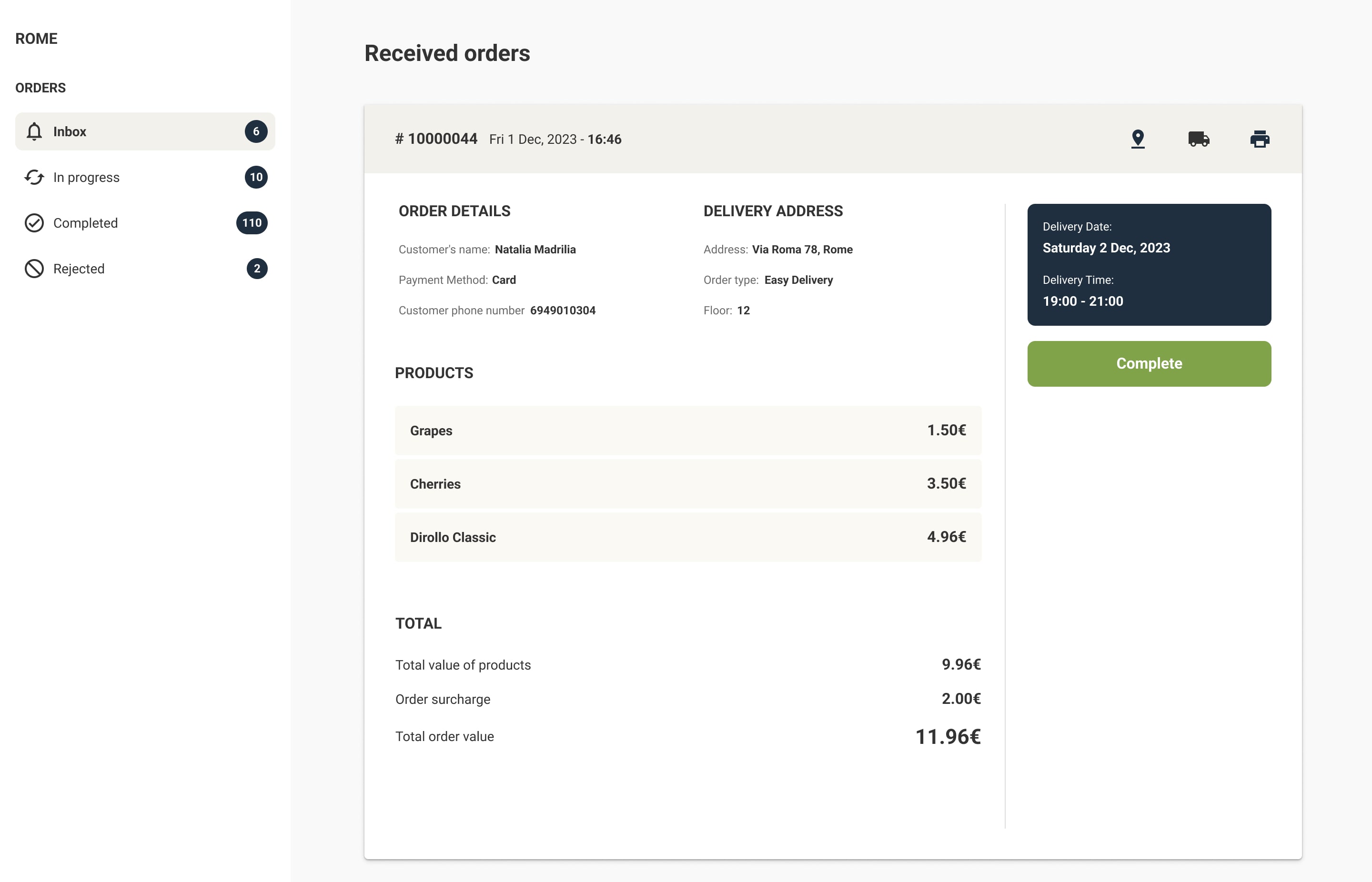
This is why FMCG is no longer just a merchandising concern. It is tightly linked to order fulfillment workflows, inventory accuracy, and picking performance.
The role of ecommerce in the FMCG industry
FMCG products are naturally suited to ecommerce because they are repeat purchases and highly predictable. However, ecommerce introduces new operational pressure.
According to McKinsey’s State of the Consumer 2025, over 90 percent of consumers in developed markets made an online purchase within the previous month, with grocery among the fastest-growing categories driven by convenience.
For FMCG, this means:
- Real-time inventory accuracy is essential, as customers expect online availability to reflect shelf reality.
- Fast and accurate order picking becomes critical, since FMCG baskets are large and time-sensitive.
Read more about efficient picking in <a href="https://www.wavegrocery.com/blogpost/order-picking-meaning-methods-best-choice-for-your-grocery">this guide to grocery order picking</a>. - Demand forecasting across channels is required, as the same FMCG SKU may sell simultaneously in-store, via pickup, and via delivery.
Ecommerce has effectively turned FMCG into an operational data problem rather than a simple distribution channel.
Changing customer expectations around FMCG
Customer expectations around FMCG are no longer shaped by price alone. 61% of global consumers say sustainability and environmental concerns influence their purchasing decisions.
In practice, this shifts demand toward FMCG products that offer:
- transparency around ingredients and origin
- sustainable or reduced packaging
- ethical sourcing and responsible manufacturing
- brands that align with personal values
This trend is especially pronounced among Millennials and Gen Z, who are more willing to switch brands or pay more when these criteria are met.
For grocery retailers, FMCG assortment choices now shape how the store itself is perceived, not just what customers put in their basket.
Premiumisation in the FMCG market
While FMCG is traditionally associated with low prices, premiumisation has emerged as a major growth driver.
According to NielsenIQ, premium FMCG products now account for roughly 25 percent of total FMCG value sales in Western markets and are growing faster than mainstream categories.
Premium FMCG becomes a margin lever when supported by data. Without demand visibility, premium items risk slow turnover and excess stock. With the right data, they increase basket value and gross margin without sacrificing velocity.
Tracking demand trends and purchase behavior is therefore essential.
Top FMCG companies
Most grocery stores rely on established FMCG manufacturers rather than producing private-label goods at scale.
Some of the most influential FMCG companies globally include:
- Nestlé, the world’s largest food company, with brands like KitKat, Nespresso, and Häagen-Dazs
- PepsiCo, spanning beverages and snacks including Pepsi, Doritos, and Quaker
- Procter & Gamble, dominant in personal care with brands like Gillette, Pampers, and Oral-B
- Unilever, covering food, beauty, and household categories such as Ben & Jerry’s and Dove
- Tyson Foods, a major U.S. player in protein and processed meat products
Managing relationships with these suppliers requires accurate forecasting, efficient replenishment, and tight operational coordination.
How Wave Grocery can help your business use FMCG products for success
Wave Grocery offers a comprehensive suite of solutions tailored to help grocery stores and ecommerce managers optimize their operations, especially when it comes to managing FMCG products. From streamlining inventory management to improving picking accuracy and enhancing customer engagement, Wave Grocery ensures your store stays competitive in a rapidly evolving industry.
Here’s how Wave Grocery can help:
- Efficient inventory management: Wave Grocery provides real-time stock tracking to prevent overstocking or stockouts, which is crucial for FMCG products with high turnover rates
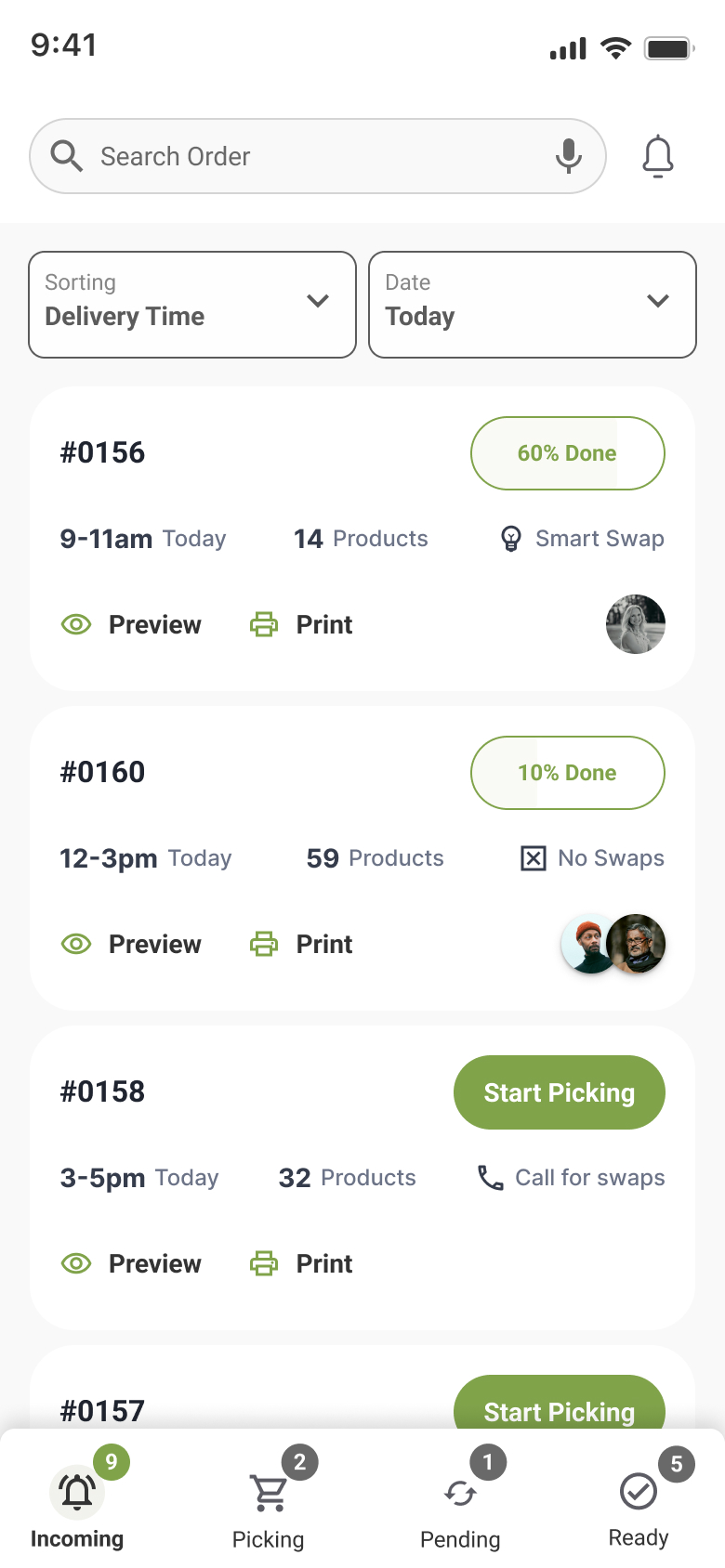
- Optimized order picking: With Wave Grocery’s AI-powered picking software, FMCG products are easily located, improving efficiency by up to 30% and reducing operational costs by €0.50 per order
- Personalized customer experience: Wave Grocery’s integration of AI and machine learning helps offer tailored shopping experiences, increasing conversion rates for FMCG products.
- Scalability and flexibility: Whether a small store or a large chain, Wave Grocery’s scalable, cloud-based solution adjusts to your needs, ensuring you can manage FMCG demand fluctuations.
- Data-driven insights: The platform provides detailed analytics, helping you optimize FMCG inventory based on real-time sales data and trends.
Incorporating Wave Grocery into your operations not only helps with FMCG product management but also ensures that your store is equipped to meet the demands of modern ecommerce shoppers. Whether you're looking to improve your order fulfillment speed, enhance customer satisfaction, or simply stay ahead of inventory challenges, Wave Grocery provides the tools necessary to thrive in the competitive FMCG market.
Conclusion
Fast-moving consumer goods are the foundation of grocery retail.
They drive customer expectations, operational complexity, and profitability. As ecommerce and omnichannel models continue to grow, the importance of accurate FMCG management only increases.
Retailers that treat FMCG as a connected operational system, rather than a static assortment, are better positioned to scale efficiently, protect margins, and deliver the reliable experiences customers expect.
Understanding FMCG is not optional. It is a prerequisite for running a modern grocery business.

Costas D. Aniston is Customer Success Manager, helping grocery retailers streamline operations, improve fulfillment accuracy, and achieve sustainable growth.

Our editorial team works hand-in-hand with grocery experts and digital specialists to deliver actionable content designed to help your business thrive online. Each article is built on real industry insights and practical guidance for grocers, providing actual solutions to real problems.