Retailers spend a lot of time worrying about shrinkage. And granted, it’s a big problem.
Retail shrinkage refers to the loss of inventory due to factors other than sales, and it was blamed for $112 bn in losses in 2022 in America. It was a figure that the National Retail Federation called “dire.”
To make matters worse, retailers often struggle to find the root cause of shrinkage, wasting resources on ineffective practices and solutions.
In this article, we'll explore what they may be missing. Here's a comprehensive overview of the types of shrinkage in retail, their causes, and possible solutions.
What is shrink in retail
A retail shrinkage refers to any loss in inventory that isn’t a result of sales. It is a broad concept with several varied causes, including:
- Administrative errors
- Vendor fraud or return fraud
- Broken, perished, or missing goods
- Operational losses.
While each poses a significant threat, theft is the leading cause of shrinkage in physical stores.
E-commerce stores are more likely to experience shrinkage from outdated monitoring practices. To tackle this, e-commerce stores must use a fresh, easy-to-use stock management system.
Every business also has its understanding of the issue and solution. Some view unexplained losses only as shrinkage, while others consider known causes as well.
The lack of a cohesive shrinkage definition adds to the confusion and makes it challenging to develop a one-size-fits-all approach to the problem.
How to calculate shrinkage percentage in retail
Knowing how much inventory you're losing is the first step toward solving the problem. The standard formula to calculate shrinkage percentage in retail is:
(Recorded Inventory Value − Actual Inventory Value) ÷ Recorded Inventory Value × 100 = Shrinkage Rate (%)
For example, if your records show $500,000 worth of stock but a physical count reveals only $490,000, your shrinkage rate is:
($500,000 − $490,000) ÷ $500,000 × 100 = 2%
According to the National Retail Federation, the average retail shrinkage rate in the US hovers around 1.6% of total sales. If your number sits above that benchmark, it's a clear signal to investigate further.
Regular shrinkage analysis helps you:
- Identify which product categories or store locations are most affected
- Set realistic targets for reduction based on hard data
- Measure whether new prevention measures are actually working
Running this calculation quarterly — rather than only during annual inventory — gives you a much tighter feedback loop and lets you catch issues before they compound.
Causes of shrinkage in retail
Before you can solve retail shrinkage, you need to understand where and why it happens. Shrinkage and losses in retail stem from several distinct sources, often grouped into three main types.
1. External theft (shoplifting)
Shoplifting remains the single largest driver of retail shrinkage. Organized retail crime rings, opportunistic theft, and return fraud all fall under this category. High-value, easy-to-conceal items tend to be the most targeted.
2. Internal theft (employee theft)
Employee theft accounts for a significant portion of total shrinkage. This can range from outright stealing of merchandise to more subtle actions like sweethearting (giving unauthorized discounts to friends and family), manipulating registers, or falsifying inventory records.
3. Administrative and operational errors
Not all shrinkage is caused by theft. Common administrative mistakes include:
- Incorrect pricing or labeling
- Receiving errors (accepting wrong quantities from vendors)
- Data entry mistakes during stock counts
- Poor record-keeping in returns processing
Beyond these three core types of shrinkage in retail, other contributing factors include:
- Vendor fraud — suppliers delivering fewer goods than invoiced
- Perishable spoilage — particularly relevant in grocery, where items expire or get damaged before sale
- Weak monitoring in e-commerce — stock discrepancies between online and in-store inventory systems
Understanding which of these causes drives most of your losses is critical. A shrinkage problem rooted in administrative errors requires a very different solution than one driven by shoplifting.
How to prevent shrinkage in retail
Since shrinkage in retail depends on many factors, this is a hundred-billion-dollar question.
Unfortunately, there are no quick solutions for an issue as complex as shrinkage. Still, here are some measures you can implement to get started.
1. Improve inventory management efforts
It’s essential to track and monitor shrinkage to effectively reduce it consistently. Relying on annual inventory checks can make the issue worse. Instead, conducting regular audits will help you monitor stock levels closely, spot discrepancies, and find potential solutions. This approach allows you to implement stronger safety measures and make more informed decisions.
Some practices apart from auditing include:
- Real-time monitoring provides immediate visibility into stock levels, enabling quick detection of discrepancies, reducing human error, and improving accountability.
- Accurate demand forecasting, through data analysis practices, can predict seasonal spikes or drops in demand, leading to improved resource allocation.
- Implementing automation in warehouses, production lines, and logistics systems may reduce disruptions in the supply chain. This may contribute to maintaining consistent stock levels and improving inventory management practices, thus preventing human error, theft, or damage.
We've covered the topic extensively in this article if you’re looking for more specific inventory management tips.
2. Use modern tech to tackle grocery shrinkage
Modern technology has made tracking and managing inventory in real-time easier than ever. One of the most effective tools for combating shrinkage is RFID (Radio Frequency Identification) technology.
RFID tags allow retailers to track inventory as it moves through the supply chain, providing a detailed view of where products are at any given moment. This increased visibility helps mitigate shrinkage in several ways:
- Real-time inventory management for more accurate tracking
- Alerts for suspicious behavior, helping to deter theft
- Supply chain disruption visibility, reducing losses from delayed shipments
- Locating missing goods or pallets quickly
Grocery management software integrated with RFID systems can offer detailed insights into sales trends and operational inefficiencies, further reducing shrinkage.
A groundbreaking example of using modern technology to manage inventory is robotic aisle technology, used in a few grocery stores in Iowa, Missouri, and Nebraska. The robots go around the aisles, scanning products and keeping track of stock using high-resolution cameras. These robots help reduce out-of-stock items by up to 30% and allow staff to focus on customer service.
3. Reducing administrative and operational loss
Administrative errors and operational losses can also contribute to the problem. For example, perishable goods can spoil, and employees can make mistakes during stock counting.
Fortunately, you can reduce administrative errors and operational losses through the following strategies:
- Employee training on best practices to reduce mistakes and spoilage
- Automation to eliminate manual errors in inventory management
- Daily reports and inspections by inventory teams to track discrepancies
- Clear department roles and checks to create a system of accountability
Hiring a dedicated shrinkage advisor can ease the burden. Wave Grocery, combined with data-driven strategies, delivers a handful of tools to manage inventory shrinkage.
Solutions for retail shrinkage
Tackling retail shrinkage requires a layered approach that combines people, processes, and technology. Here are the most effective retail shrinkage solutions.
Strengthen security and deterrence
Visible security measures — such as CCTV, electronic article surveillance (EAS) tags, and trained loss prevention staff — remain foundational for shrinkage control in retail. Even the presence of security signage can deter opportunistic theft.
Invest in inventory technology
Modern inventory tools dramatically improve visibility. RFID tags track products in real time across the supply chain, while automated stock management systems flag discrepancies the moment they appear. Grocery retailers, in particular, benefit from platforms that synchronize in-store and online inventory to reduce shrinkage in retail.
Tighten processes and accountability
Clear standard operating procedures for receiving, stocking, and returns reduce administrative errors. Assign ownership over shrinkage metrics at the department level so every team member understands their role in retail shrinkage prevention.
Train and engage your workforce
Employees who understand the impact of shrinkage — and know how to spot and report suspicious activity — are your first line of defense. Regular training sessions, combined with anonymous reporting channels, build a culture of accountability without creating a distrustful work environment.
Use data to drive decisions
Regular shrinkage audits, supported by analytics dashboards, let you pinpoint where and when losses occur. Data-driven insights help you allocate resources to the areas that need them most, rather than applying blanket measures across the board.
Combining these strategies creates a comprehensive shrinkage control plan that addresses the problem from every angle — preventing shrinkage in retail rather than just reacting to it.
Retail shrinkage in the e-commerce
Using a store as a hub for online orders, a micro fulfillment center can impact the store's inventory and potentially lead to retail shrinkage for a few reasons:
- Handling stock: When stores fulfill online orders, employees constantly pick items off the shelves to pack and ship. This improved handling could lead to mistakes in inventory tracking, where items might be misplaced, not adequately scanned, or incorrectly recorded as sold.
- Stock discrepancies: Online orders can cause discrepancies between what’s physically available in-store and what’s recorded in the system. For example, if an item is sold online and then a sale occurs in-store, the system might not accurately reflect the change in inventory, leading to overstocking or understocking.
- Theft or loss: As products move more frequently between shelves, stock rooms, and fulfillment areas, the risk of theft, breakage, or misplacement increases. Items intended for online orders may go unnoticed or be left in areas vulnerable to loss.
- Overstocking to fulfill orders: If inventory isn’t properly synchronized with both in-store and online demand, a store might overstock certain products to fulfill online orders. This can lead to unsold stock that either gets lost, damaged, or improperly counted in inventory.
- Employee focus shift: Employees primarily picking items for online orders might not pay close attention to the in-store sales process. This could lead to miscounts, mistakes in restocking, or even the accidental removal of items from the store’s active sales floor.
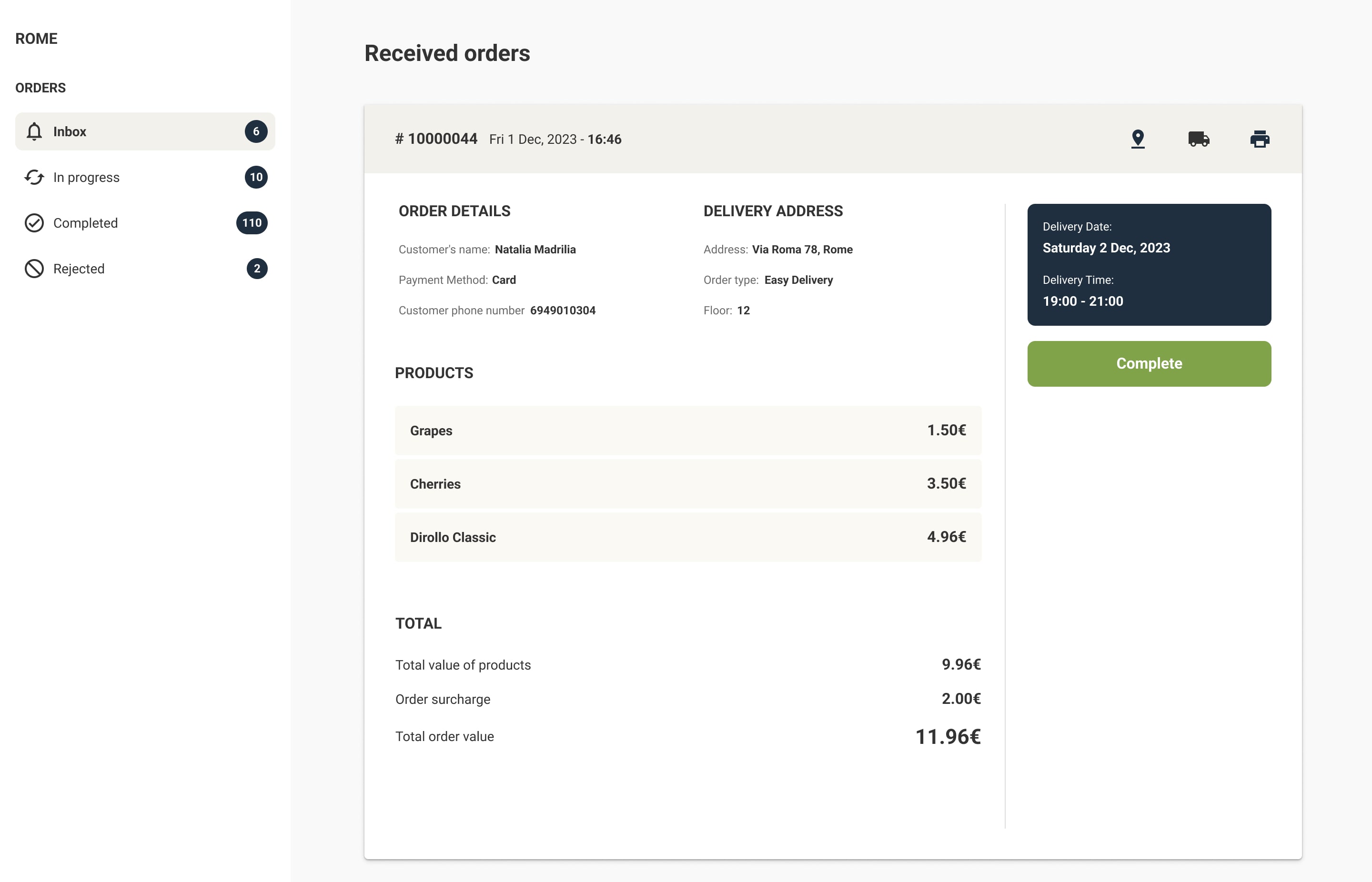
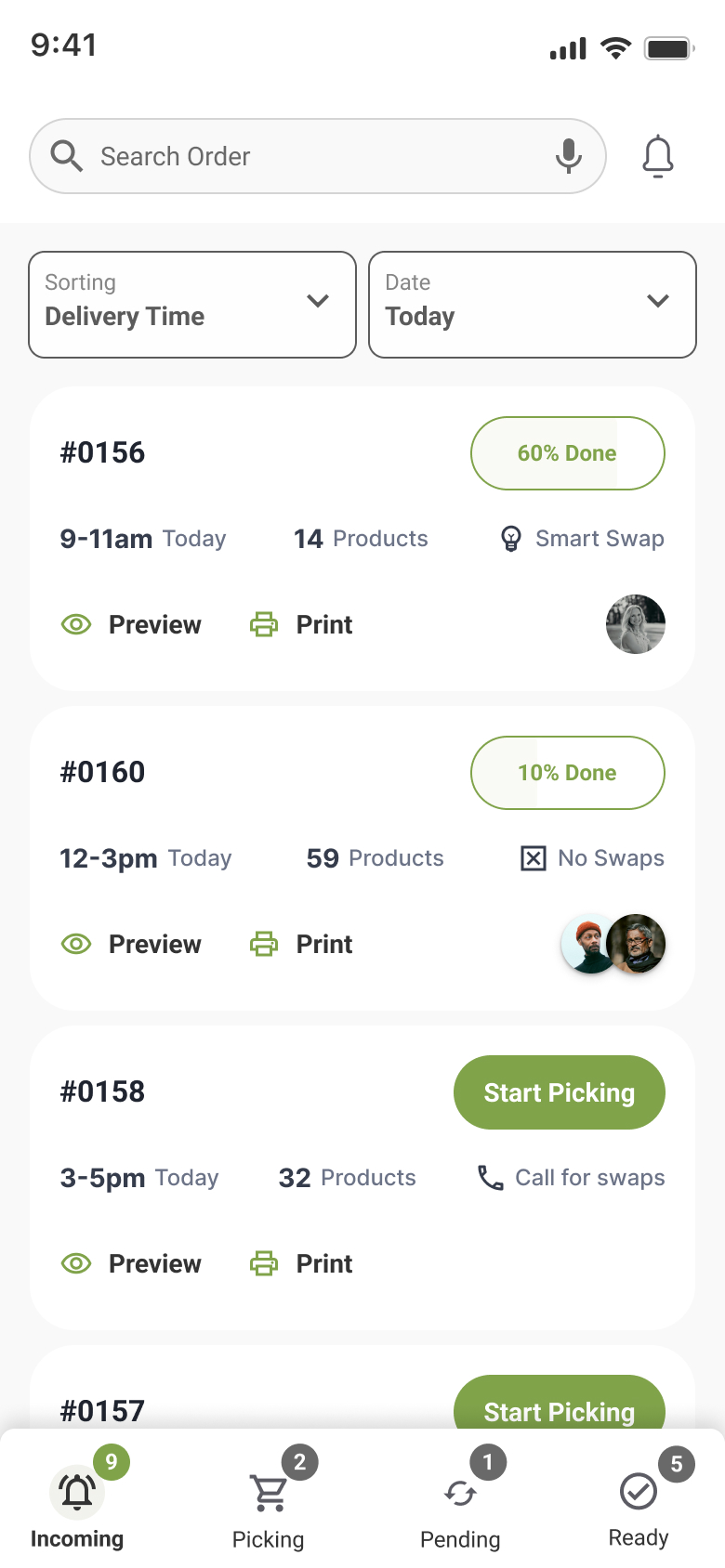
Wave Grocery reduces the risk of mismanaging online order fulfillment for online orders fulfilled within store operations through real-time order tracking. The integrated system, featuring a picker app and an admin panel, ensures that inventory levels remain accurate and up-to-date, providing smooth coordination between in-store stock and online demand.
Wave Grocery: A valuable tool to keep your inventory up to date.
Retail shrinkage is a significant issue for grocery stores but not insurmountable. Retailers can significantly reduce losses by implementing regular inventory audits and fostering a positive culture among employees.
One of the key factors contributing to retail shrinkage when it comes to e-commerce is the mismanagement of online order fulfillment, especially when online orders are fulfilled within the store. This can lead to discrepancies in stock levels, increasing the risk of inventory shrinkage. However, businesses don’t need to worry about these additional shrinkage problems when using Wave Grocery as their e-commerce partner.
Our picker app and admin panel are designed to keep inventory accurate and up to date. That’s how we ensure that online and in-store inventory is synchronized in real-time and reduce the chances of mismanagement or stock discrepancies. This integrated system provides a seamless process that minimizes the risk of shrinkage, allowing businesses to confidently manage in-store and online sales without fear of inventory loss.
Wave Grocery offers detailed insights that improve decision-making and deliver AI-driven tips to reduce operational losses. It also integrates with every POS software, making implementation easy and cost-effective.
Ready to take control of your shrinkage problem? Explore how Wave Grocery's solutions can help you reduce losses and improve efficiency today.
FAQs
What are the three types of shrink?
The three main types of shrink in retail are external theft (shoplifting and organized retail crime), internal theft (employee theft, sweethearting, and register manipulation), and administrative or operational errors (pricing mistakes, receiving errors, and poor record-keeping). Some classifications also include vendor fraud and perishable spoilage as separate categories.
What is the biggest cause of shrink in retail?
External theft, including shoplifting and organized retail crime, is consistently cited as the biggest cause of shrink in retail. According to the National Retail Federation, it accounts for the largest share of total retail shrinkage, followed by employee theft and administrative errors.
What is the average shrinkage in retail?
The average shrinkage rate in retail is approximately 1.6% of total sales, based on data from the National Retail Federation. However, rates vary significantly by industry — grocery stores and apparel retailers, for instance, tend to experience higher shrinkage due to perishable goods and high-theft merchandise.
Is there any way to prevent shrinkage?
Yes. While it's nearly impossible to eliminate shrinkage entirely, retailers can significantly reduce it through a combination of regular inventory audits, modern technology like RFID, employee training, security measures, and tighter operational processes. Platforms like Wave Grocery also help e-commerce and omnichannel retailers keep inventory synchronized and accurate, further minimizing losses.

Costas D. Aniston is Customer Success Manager, helping grocery retailers streamline operations, improve fulfillment accuracy, and achieve sustainable growth.

Our editorial team works hand-in-hand with grocery experts and digital specialists to deliver actionable content designed to help your business thrive online. Each article is built on real industry insights and practical guidance for grocers, providing actual solutions to real problems.